Blog 1: An Encounter
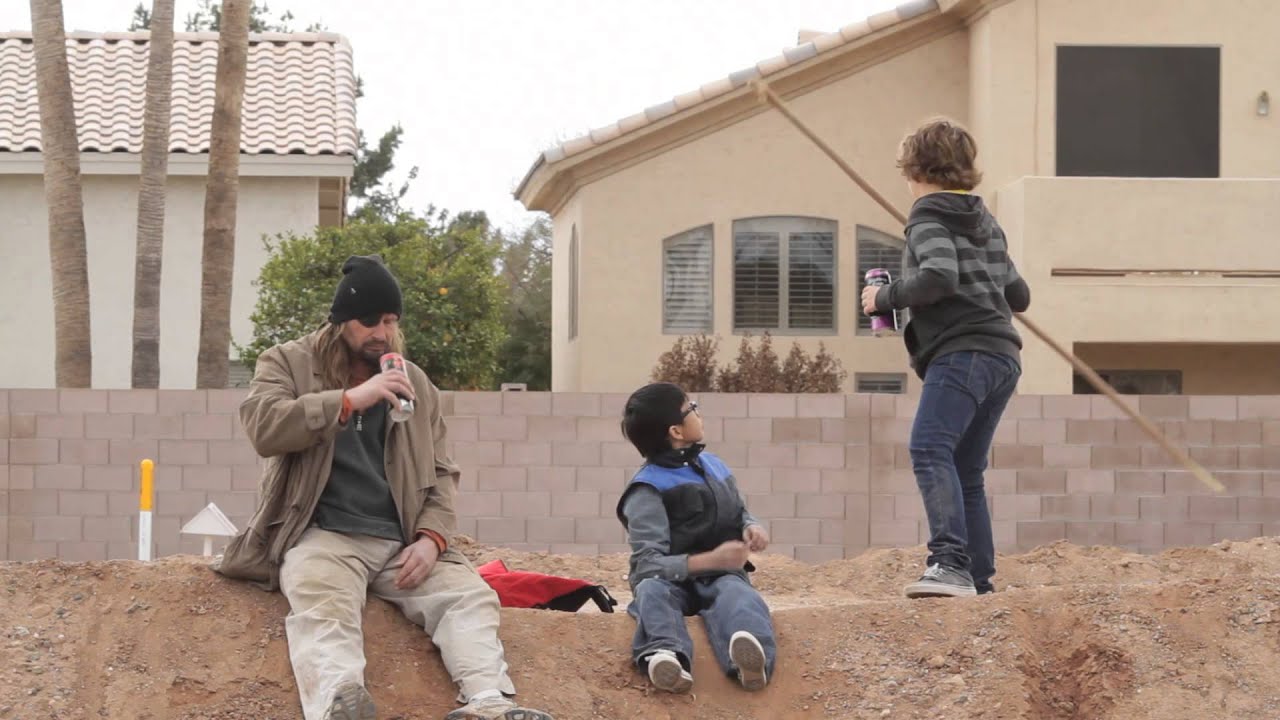
In Dubliners, I found "An Encounter" to be chilling and intriguing. The story brings up nostalgia of being a kid, but a hair-raising aura is mixed effortlessly as two young boys come in contact with an old man with compromised views on children and women.
The narrator and his friends seem to have fun together in the beginning of the story as they play pretend games and chase each other around the garden. In this introduction, Joyce builds up a sense of childlike wonder only to starkly contrast it later with their encounter with the old man. As the old man speaks of whipping little boys and wanting to touch girls' pretty hair, it shows just how one's morals can become corrupted over time. When the old man is presented after the audience gets used to a naive point of view, it causes the elder’s actions to be even more alarming.
Joyce makes sure to let the audience know that this encounter was only a warning of what is to come in adulthood, as their imaginations are hardly squashed. To dismiss the old man and leave the conversation, the narrator cleverly calls Mahony by a different name, to make sure the old man can’t trace their identities. Using his imagination to steer the conversation away is a brilliant idea that seems to only work in low-budget spy movies, but a low-budget spy movie is the epitome of a child’s brain, so this escape plan made sense.
While reading this story, one can only wonder what series of events lead the old man to have these uncomfortable views. Many times, behavior like that is an exhibitor of trauma, either early or late trauma. Regardless, the old man seems soul heavy as he sits adjacent to the narrator. The elder reflects on his past as he looks towards Mahony, as if the old man sees parts of him inside the young boy’s spirit and attitude. Whether intentional or not, the old man’s behavior is borderline pedophilic and quite inappropriate, which shows the dangers of life in Dublin as a child. Many parents warn their children of stranger danger in the modern age, but this wasn’t really on the radar for many Irish parents, as making ends meet seemed to be a top priority.
The fact that the children could skip school for the day and no one noticed, seems to put in perspective of how much flew under the radar as a child in Dublin. They could get away with nearly anything and subsequently this meant that adults could get away with doing nearly anything to the children as well without reprimand.
“An Encounter” shows not only the hardships of the life of a child in Dublin, but also how troubling life can be for an adult in Dublin. The hardships carry on both ends, each existing in their own realm of truth and consequence.
Comments
Post a Comment